



A Measured Approach
Shifting to neutral on power train strategy makes more sense as we look to automotive retail’s future.


Manufacturers had already pivoted to a more realistic vision of power train by choice.
Pexels/Negative Space
In the past couple of years, electric vehicles became a political issue as both the auto industry and consumers felt pressure to accelerate adoption. I got the impetus behind the push: the need to slow pollution, which is never a bad idea, in my mind.
The U.S. also saw the need to compete with the rapidly rising Chinese auto industry, which has pulled ahead on EV development, production and sales. China-based automaker BYD passed U.S. EV market leader Tesla in global sales last year.
One by one, U.S. automakers made plans for all-EV lineups by next decade, and California banned the sale of new gas-powered vehicles in 2035, a move followed by 11 other states. But consumer demand failed to rise with the expectations. ISeeCars.com declared in July that EVs have peaked in the U.S. after starting to flatten late last year.
Manufacturers had already pivoted to a more realistic vision of power train by choice – offer all of the types and let the consumer pick from among them, a very democratic, capitalistic concept.
The Trump administration has taken a car crusher to various EV incentives, from federal tax breaks, which will now expire in October, to pulling previously approved federal funding to states for EV charger development. In June a federal judge ordered the administration to reverse the latter in 14 states that sued over the freeze. Congress, meanwhile, killed California’s zero-emissions vehicle mandate.
While I think it makes sense to incentivize clean energy in whatever form, recalibrating the approach to EV development seems like a wise correction.
I was talking with a friend recently about wishing I’d bought a hybrid years ago. I didn’t want to be a guinea pig but feel now that I waited too long. We both agreed that we’re uncomfortable with the idea of a purely electric model for charge-range anxiety reasons. In addition to higher prices for new EVs, insufficient public chargers in less-developed areas is a top impediment to adoption.
Now that the American foot has eased up on the EV accelerator, it seems there should be time to get all of the infrastructure in place for those who want to make the switch. Others can opt for hybrids or different clean technologies, like biodiesel and hydrogen if those models end up making practical sense.
Hopefully as group, we’ll clear the air while also retaining consumer discretion.
More Industry
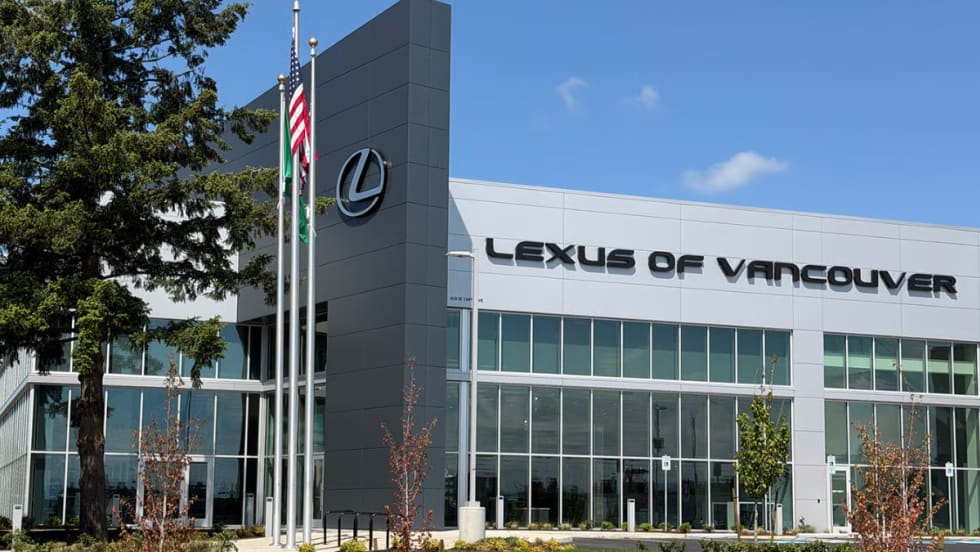
Holman Opens New Lexus Dealership
Located in the heart of Clark County, Lexus of Vancouver features a multi-level showroom, more than 30 service bays, an indoor drive for drop-off and pick-up and a fleet of courtesy vehicles.
Read More →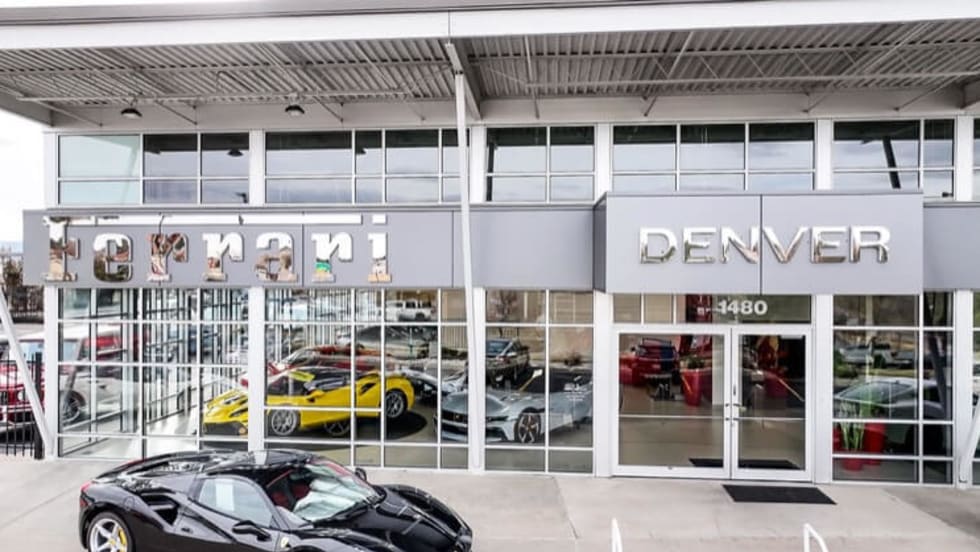
Denver Ferrari Store in New Group
The recent sale of the dealership by Lithia adds to an expanding stable for a family-owned collection of franchises.
Read More →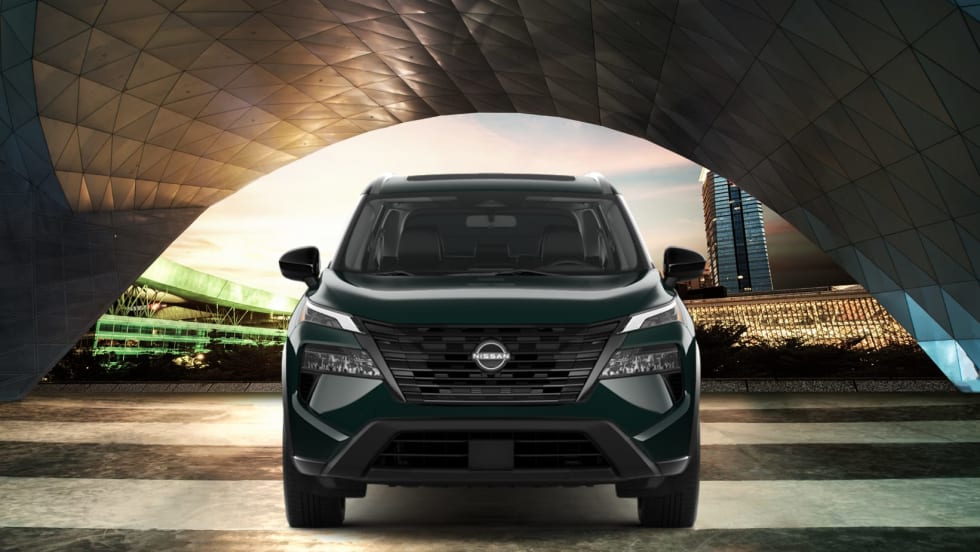
Nissan Reports Significant Sales Growth
Following the release of Nissan’s 2025 fiscal year report, the automaker announced that its retail-first approach has led to a significant jump in dealer sales.
Read More →
Dealer Debrief: Effective Safety Features
In this week's debrief, host Lauren Lawrence covers a positive safety study from GM and the University of Michigan Transportation Research Institute and a business acquisition by Cox Automotive.
Read More →
Recalled Autos Spike in Q1
The volume of affected units continued to rise as more software-focused models present different types of problems, creating complex risk, Sedgwick reports.
Read More →
Program Brings Wheels to Families in Need
NADA is taking Vehicles for Change’s Keys to Independence Program national so auto dealers can help families in need gain access to reliable transportation.
Read More →
EFG Aims to Help Dealers Face Rising Reinsurance Volatility
Rising claims severity, higher repair costs and delayed reserve adjustments are putting new pressure on auto dealerships' reinsurance programs.
Read More →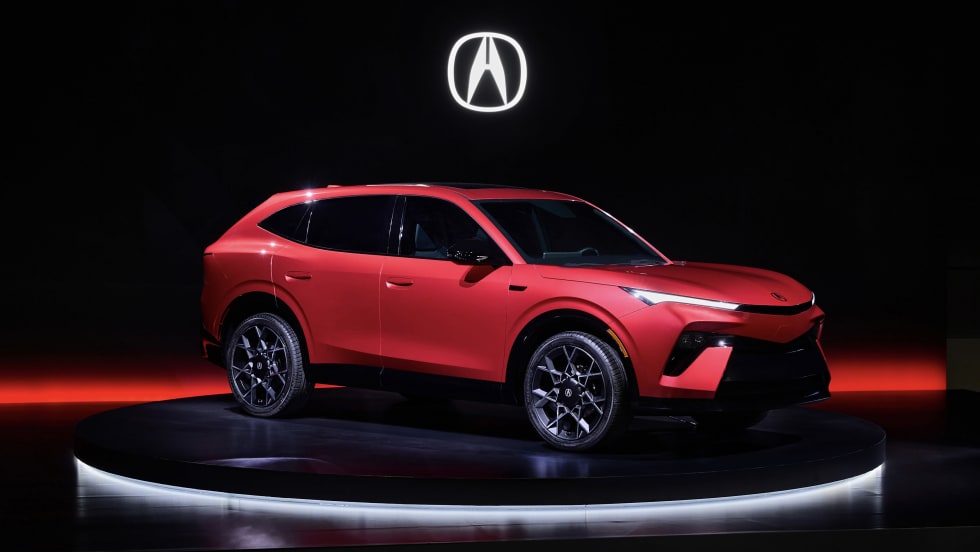
Hybrids in Focus
Another automaker announces plans to dedicate more resources in the U.S. to the now popular power train as it also looks to minimize trade tariff costs.
Read More →
IIHS Adds to Safety Rankings
A midsize Hyundai and a small Toyota have joined the nonprofit's 2026 Top Safety Pick+ award rankings, thanks to improved crash test results and crash-prevention measures.
Read More →
Dealer Debrief: FTC and Pricing
In this week's debrief, host Lauren Lawrence covers long loan terms, the FTC's crackdown on pricing, and disaster prep for dealerships.
Read More →