



Seeing Is Selling!
Intangible products require a different approach.


Rick McCormick
Listen well, go visual, and involve the customer.
The products sold in the F&I office are invisible. Customers buy a tangible product because they can see, touch, smell or test it. However, they buy an intangible product because they see that they need it and what it will do for them. Many who have sold tangible products attempt to sell intangible products with the same efforts. That is a recipe for mediocre success, at best. There are three levels of selling intangible products. And an intentional effort to use the most effective manner, level three, will bring the most success.
LEVEL 1: TELL THEM ABOUT THE PRODUCTS.
This involves an entirely verbal effort to make the products come alive. You can see a certain level of success. However, there are much higher levels of success available for the person willing to go beyond this effort. Many of us were tapped for the F&I office because we were good at talking and knew what to say to a customer. However, the opposite is true in the F&I office. Our ability to listen, not talk, is the key to success. Knowing when to talk and when to listen is crucial. We should be talking 30% of the time and the customer 70% of the time. Developing your listening skills will move you to a higher level of trust with your customers, and they will buy more than you could ever sell them! Let’s move closer to the next level of selling and success!
LEVEL 2: SHOW THEM SOMETHING VISUAL.
Moving beyond just a verbal effort and utilizing visual reinforcement will provide an increase in acceptance levels of your products. Common sense tells us that moving from using just one of the five senses to utilizing two of them will get more buy-in from the customer. Telling a true story of how your product helped another customer makes what you’re selling real. Add to this the actual copy of the repair order that the customer can see, makes the need for the product more compelling. If you want to add the ultimate visual aid, have the actual part of the vehicle covered by the product available for them to see and touch! A damaged wheel or a failed ABS actuator brings reality to the need of the coverage to your customer. This creates a vision of the possible outcomes if something bad happens to them, both with and without your product. Move onto the next level.
LEVEL 3: INVOLVE THE CUSTOMER IN THE LEARNING PROCESS.
To involve three of the five senses, get your customer physically involved. If math is needed to illustrate a benefit of a product, have them open the calculator on their phone and ask them to “help me with the math.” The numbers then become their numbers. And numbers they arrive at add a thousand times more credibility to the process. Selling anything, let alone an invisible product, is not a spectator sport. The customer should always participate in the process of uncovering how they will benefit from the product discussed. This allows them to self-discover their need for the product and how it will benefit them. This is the most effective effort to build value in the products you offer, and produces the best results.
Look around your office. Which visual and tangible tools are available to help customers see and experience products? Brochures are for selling, other visuals are for learning. Choose wisely! The minute you put something into a customer’s hands, they start buying more products. And if a customer can hold something in their hand to illustrate a need for a product, that’s level-three selling and the most effective way to help customers buy the products they need. And a byproduct of level three selling: It is more fun for you and the customer!
I look forward to seeing you on my next post!
Rick McCormick is national account development manager for Reahard & Associates.
Originally posted on F&I and Showroom
More Dealer Ops

Ladies and Gentlemen, This Is a Dealership: Why the Fundamentals Still Decide Who Wins
A teaching moment by a legendary football coach happens to apply perfectly in the auto retail space. Learn what it is and how to use it to your store’s advantage.
Read More →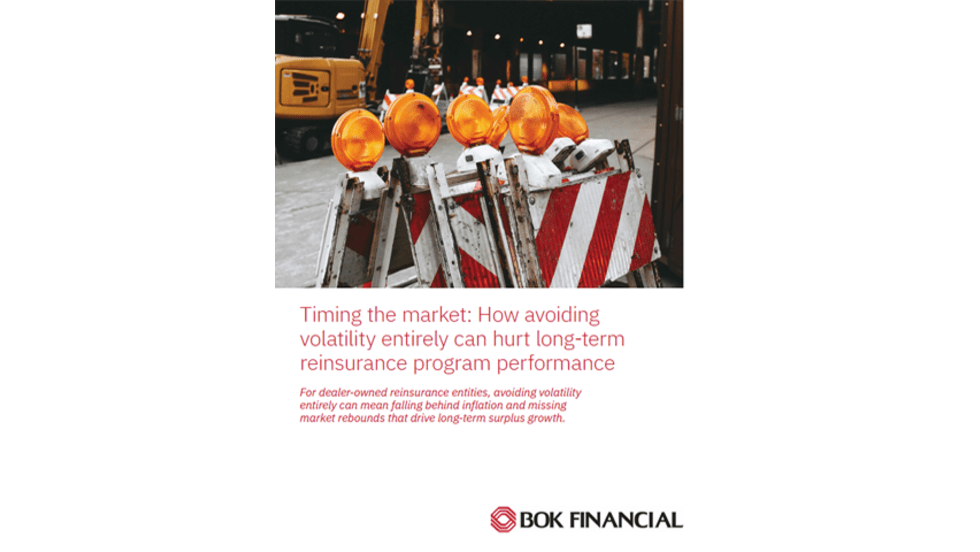
Timing the Market Can Hurt Long-Term Program Performance
For dealer-owned reinsurance entities, avoiding volatility entirely can mean falling behind inflation and missing market rebounds that drive long term surplus growth. Missing just a handful of strong market days can materially impact cumulative returns—an important reminder for long horizon trust and investment strategies.
Read More →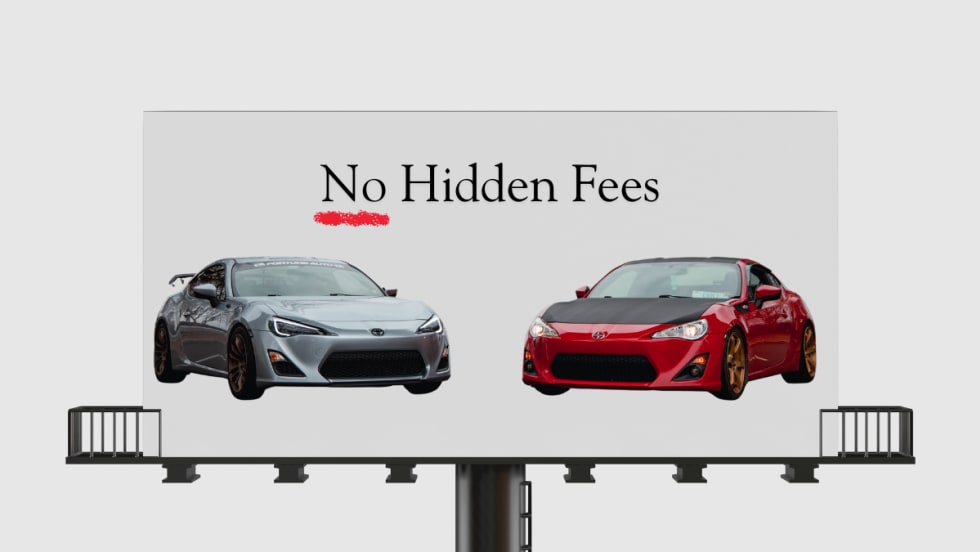
Dealer Ads and the FTC
The agency has made it clear in recent enforcement actions and warnings, in auto retail and other industries, that advertised prices must include all nonoptional costs to the consumer.
Read More →
Used Autos Supply Dwindles
The March shopping surge, despite high prices, cut into inventory by the most since the thick of the pandemic, Cox Automotive analysts calculated.
Read More →
Managing Risk Effectively Through Changing Times
The variables influencing risk pricing have changed significantly over the past five years. Being proactive and responsive to emerging trends is not optional but essential.
Read More →
Survey Reveals What Won't Fix What's Breaking Car Sales
AutoPayPlus says extra-long auto loans are trapping consumers and threatening the dealer trade-in cycle, and that the industry is leveraging the wrong tools to combat high MSRPs.
Read More →
IA American Appoints Two Execs
Senior vice presidents of the company's agent and dealer channels chosen to support general agents and help auto dealers with sales and performance.
Read More →
Cox Automotive Acquires Inspection Firm
Full ownership of Alliance Inspection Management, or AiM, meant to unlock growth for Manheim inspection capabilities
Read More →
Assurant Expands Partnership With Holman
Extended collaboration delivers training, products and performance development to 30 newly acquired Holman dealerships
Read More →
Franchises, Throughput Down in First Half
A handful of states see franchise growth through June, while EV sales per store boost overall business in U.S.
Read More →